
6 Essential Features of an Effective School Playground Design
Posted by May Recreation Content Team on
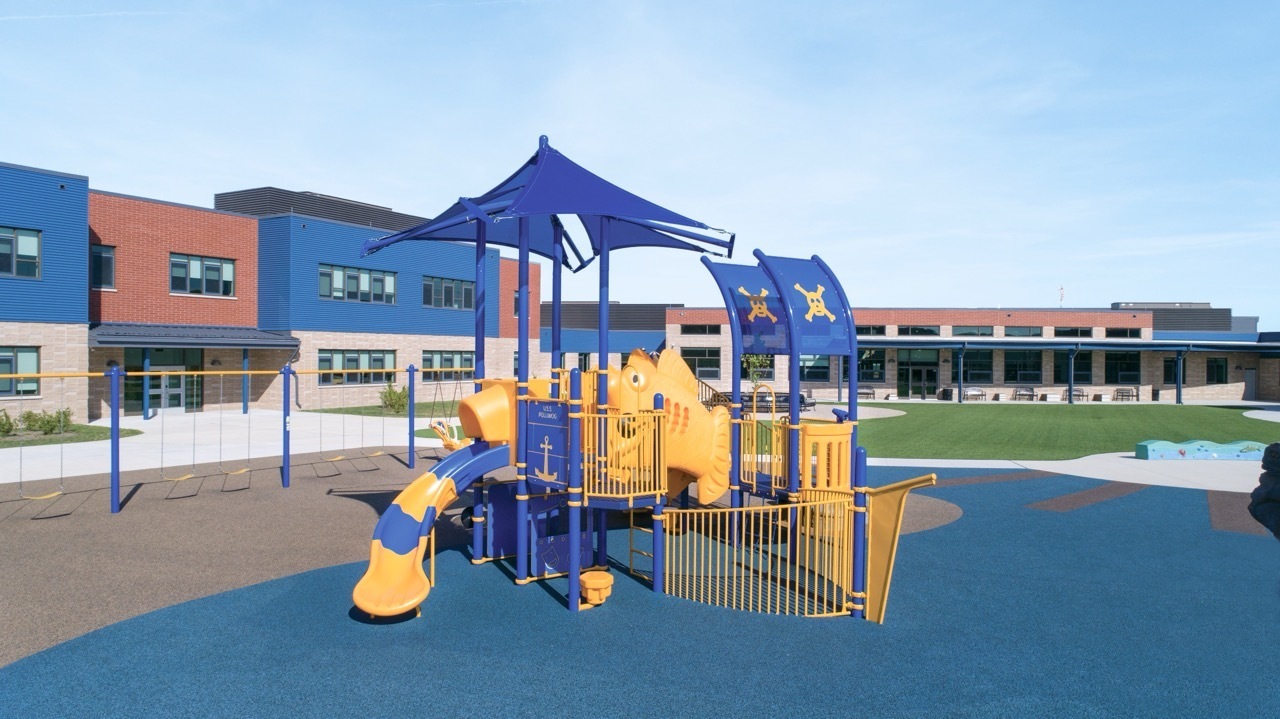
A great school playground is more than a collection of swings, slides, and climbing structures. It's a space where students develop friendships, build confidence, explore their creativity, and enjoy the physical and mental benefits of outdoor play.
For schools, playgrounds are an important investment in student development and well-being. The right design can transform recess into an opportunity for physical activity, social interaction, imaginative exploration, and even outdoor learning.
According to the Centers for Disease Control and Prevention (CDC), children ages 6–17 should get at least 60 minutes of moderate-to-vigorous physical activity every day. School playgrounds can play an important role in helping students reach that goal while encouraging healthy habits that extend beyond the classroom.
At May Recreation, we believe the best school playgrounds balance fun, accessibility, safety, and long-term value. Whether you're planning a new playground or upgrading an existing one, here are six essential features that can make a difference.
1. Active Play Opportunities that Keep Students Moving
Physical activity is one of the most important functions of a school playground. However, great playground design goes beyond simply giving students room to run.
Different types of playground equipment encourage different movements, helping children develop strength, balance, coordination, and motor skills.
Effective active play features include:
- Climbing Structures: Encourage upper-body strength, coordination, and problem-solving.
- Swings: Support balance, coordination, and sensory development.
- Slides: Provide opportunities for movement, exploration, and confidence-building.
- Balance Beams and Stepping Elements: Challenge stability and body awareness.
- Overhead Climbers: Encourage grip strength and physical endurance.
One important consideration is offering multiple levels of difficulty. Younger students may prefer smaller climbing structures, while older elementary students may enjoy more challenging equipment.
The CDC also reports that recess can improve students' attention, memory, concentration, and classroom behavior.
A playground designed for movement doesn't just support physical health. It can also help students return to the classroom more focused and ready to learn.
2. Imaginative Play that Encourages Creativity
Not every valuable playground experience involves climbing or running. Imaginative play is equally important to childhood development.
When children pretend a playground is a castle, spaceship, jungle, or underwater adventure, they're doing more than having fun. They're practicing storytelling, communication, cooperation, and creative thinking.
Themed playground equipment can help bring these experiences to life.
For example, a nature-inspired playground might feature treehouse-style structures, climbing rocks, and animal-themed elements. A transportation-themed playground could incorporate pretend vehicles, bridges, and interactive panels.
Imaginative play also creates opportunities for children with different interests and abilities to participate together.
Schools can encourage creativity by incorporating interactive play panels, musical instruments, themed structures, and open-ended play areas.
The goal isn't to tell students how to play. It's to create an environment where they can invent their own adventures.
3. Inclusive Features that Welcome Every Student
A truly great school playground should provide meaningful play opportunities for students of different abilities, ages, and developmental needs.
Inclusive playground design goes beyond meeting basic accessibility requirements. It considers how children move through the playground, interact with equipment, and participate alongside their peers.
Some important inclusive features include:
- Accessible pathways and appropriate safety surfacing
- Ground-level interactive play activities
- Adaptive swings and accessible play equipment
- Sensory panels and outdoor musical instruments
- Quiet areas for students who need a break from stimulation
- Equipment that encourages cooperative play
For example, an accessible ground-level activity panel allows students with mobility limitations to participate in the same play environment as their classmates.
Similarly, musical playground equipment can create opportunities for students to interact regardless of their physical abilities or experience.
Inclusive design also benefits teachers, caregivers, and family members who may have mobility limitations.
At May Recreation, we emphasize creating playgrounds where students can play together rather than separating activities based on ability.
When inclusion is considered from the beginning, schools can create environments that encourage friendships, empathy, and a stronger sense of belonging.
4. Gathering Spaces that Support Social Connections
Some of the most meaningful playground moments happen away from the slides and climbing structures.
Students need places to talk with friends, participate in group activities, and take breaks between active play sessions.
Thoughtfully designed gathering spaces can make school playgrounds more welcoming and functional.
Consider incorporating benches, picnic tables, shaded seating areas, outdoor classrooms, or small gathering zones.
These spaces serve several purposes.
For students, they provide opportunities to socialize, collaborate, and recharge. For teachers and playground supervisors, strategically placed seating and open sightlines can support effective supervision.
Gathering spaces can also extend the playground's usefulness beyond recess.
Schools may use these areas for outdoor lessons, reading activities, small-group discussions, or after-school programs.
By incorporating both active play zones and comfortable gathering areas, schools can create outdoor environments that support different learning styles, personalities, and social needs.
5. Shade Structures that Make Outdoor Play More Comfortable
For Texas schools, shade is an especially important playground design consideration.
High temperatures and direct sunlight can make playground equipment and surrounding surfaces uncomfortable, particularly during the beginning and end of the school year.
Shade structures help create more comfortable environments while reducing exposure to direct sunlight.
Certain shade structures can block up to 96% of harmful UV rays, depending on the fabric and design.
Schools can incorporate shade through several approaches, including:
- Large fabric canopies covering playground structures
- Integrated shade features above play equipment
- Freestanding shade structures over seating areas
- Strategically placed trees and landscaped areas
- Covered gathering spaces for outdoor activities
Shade placement is just as important as the structure itself.
Schools should consider the sun's position throughout the day, especially during scheduled recess periods.
Adding shade during the initial planning process can also help schools create a more cohesive playground design.
While shade doesn't eliminate the need for hydration, temperature monitoring, or heat precautions, it can make outdoor spaces more comfortable and usable.
6. Durable Equipment and Surfacing Built for Daily Use
School playgrounds experience significant wear and tear.
Unlike residential playsets, commercial school playgrounds may accommodate hundreds of students throughout the week. Equipment must withstand frequent use, changing weather conditions, and years of outdoor exposure.
That's why durability should be a priority from the beginning.
High-quality commercial playground equipment is designed with materials and construction methods suited for demanding environments.
Schools should evaluate equipment based on structural durability, maintenance requirements, warranties, age appropriateness, and applicable playground safety standards.
Safety surfacing is another critical consideration.
Options such as poured-in-place rubber, engineered wood fiber, and artificial turf systems can provide different benefits depending on the playground's design and requirements.
Properly selected and maintained impact-attenuating surfacing helps reduce the risk of serious injuries from falls. Surfacing must also be appropriate for the equipment's fall heights and accessibility needs.
Schools should also consider long-term maintenance costs rather than focusing exclusively on initial installation expenses.
Choosing durable materials, planning for inspections, and selecting equipment that can be maintained efficiently can help protect the school's investment.
Designing a Playground that Grows with Your School
Every school has unique needs. Student ages, available space, enrollment, budget, and campus layout all influence the ideal playground design.
A smaller elementary school might benefit from compact, multifunctional play structures, while a larger campus may need separate age-appropriate play areas and multiple gathering spaces.
The most successful playground projects begin with clear goals and a comprehensive design plan.
By considering active play, creativity, inclusion, shade, gathering spaces, and durability together, schools can create outdoor environments that serve students for years to come.
Build a Better School Playground with May Recreation
A great school playground should inspire students to move, imagine, connect, and explore. With thoughtful planning and the right equipment, schools can create spaces that support childhood development while providing lasting value for their communities.
At May Recreation, we help schools throughout Texas bring their playground visions to life. From commercial playground equipment and inclusive play features to shade structures, safety surfacing, and site furnishings, our team can help guide your project from initial planning through installation.
Ready to create a school playground your students will love? Contact May Recreation today to explore playground design solutions tailored to your school's needs, space, and budget.