
Seasonal Playground Maintenance Checklist for Safety and Longevity
Posted by May Recreation Content Team on
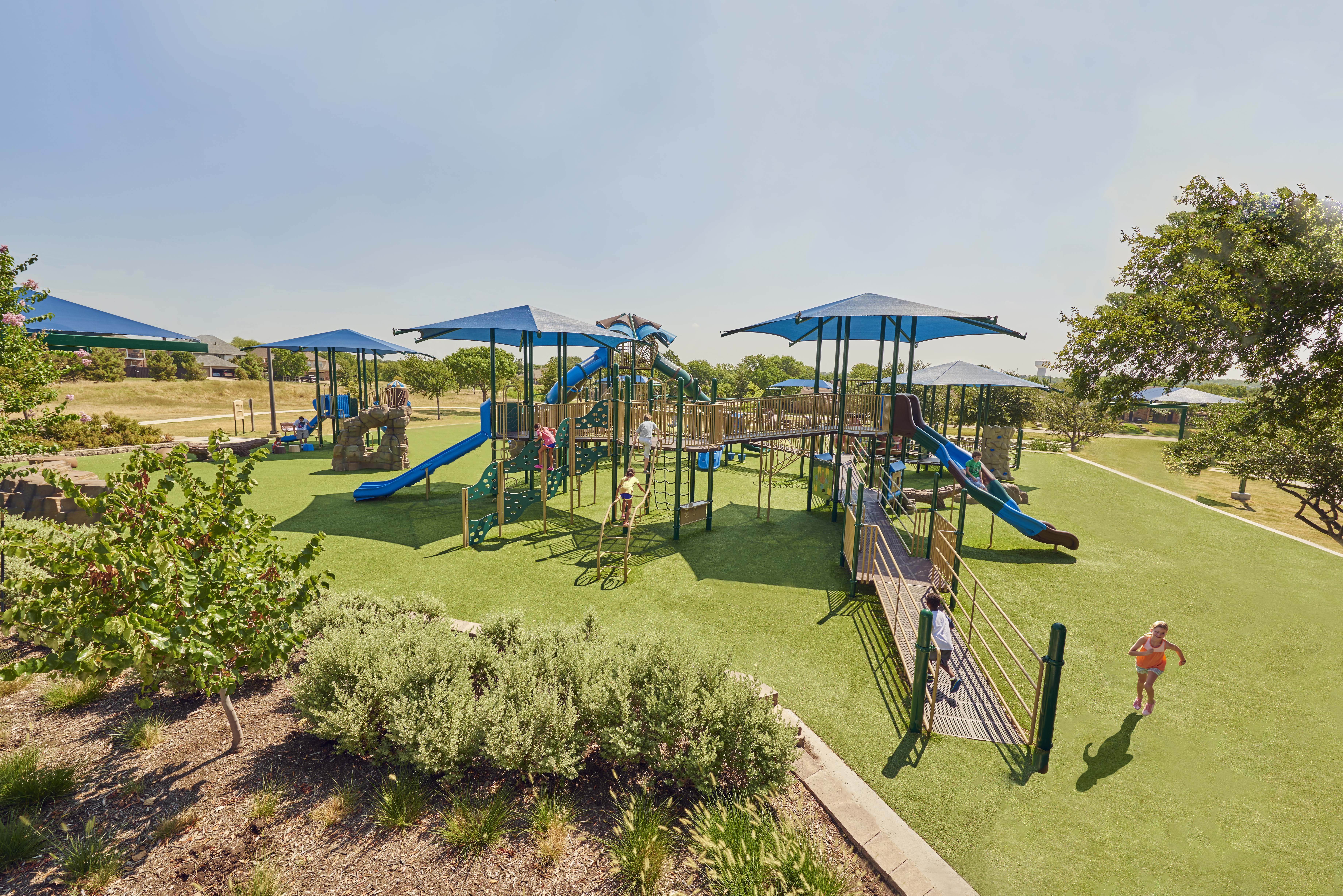
A commercial playground is built to handle a lot: running feet, climbing hands, changing weather, heavy daily use, and years of outdoor exposure. But even high-quality commercial playground equipment needs regular maintenance to stay safe, attractive, and durable.
For schools, parks, churches, HOAs, municipalities, and other organizations, playground maintenance shouldn't happen only after a part breaks. A proactive, year-round maintenance plan can help identify small issues before they become expensive repairs or potential safety hazards.
The U.S. Consumer Product Safety Commission (CPSC) recommends developing a comprehensive maintenance program for every public playground. Inspections should look for excessive wear, deterioration, damaged surfacing, loose hardware, corrosion, vandalism, and other potential hazards. The CPSC also notes that heavily used playgrounds may require more frequent inspections and maintenance.
For playground owners and operators in Texas, changing seasons bring their own maintenance challenges. Here is a seasonal checklist to help protect your playground investment throughout the year.
Spring: Inspect, Clean, and Repair
Spring is an ideal time for a thorough playground inspection. Even in areas where winters are relatively mild, cold snaps, rain, wind, and fluctuating temperatures can take a toll on outdoor equipment.
Start by walking through the entire play area and looking closely at equipment connections, fasteners, posts, platforms, slides, swings, climbers, and other components. Watch for loose or missing hardware, cracks in plastic components, corrosion, damaged coatings, and anything that appears to have shifted.
The CPSC specifically identifies issues such as loose anchoring, cracks in plastics, rusted or corroded metals, worn or missing parts, and damaged surfacing as items that should be addressed during routine playground inspections.
Spring maintenance should include:
- Tightening loose bolts and fasteners
- Inspecting swings, chains, connectors, and moving components
- Checking plastic components for cracks
- Looking for rust or corrosion
- Removing dirt, leaves, trash, and other debris
- Checking surfacing for displacement, holes, buckling, or deterioration
- Inspecting drainage after spring rain
- Cleaning equipment according to manufacturer recommendations
This is also a good time to document the condition of the playground with photos. Maintaining inspection and repair records can make it easier to identify recurring issues and plan future maintenance expenses.
Summer: Prepare for Heat and Heavy Use
Summer can be one of the busiest seasons for playgrounds and one of the toughest on playground materials.
Texas sunshine, high temperatures, UV exposure, and frequent use can accelerate wear. Slides, handrails, platforms, and surfacing exposed to direct sunlight can also become extremely hot.
During summer, inspections may need to become more frequent, particularly at busy parks, schools hosting summer programs, childcare centers, churches, and other high-traffic locations. The CPSC recommends basing inspection schedules on actual or anticipated use, with more frequently used playgrounds receiving more frequent attention.
Pay particular attention to:
- Hot surfaces exposed to direct sunlight
- Fading, cracking, or deterioration caused by UV exposure
- Loose components on heavily used equipment
- Swing seats, chains, and connectors
- High-wear areas around slides and swings
- Surfacing displacement or compaction
- Drainage following summer storms
- Trash and foreign objects in the play area
Falls remain an especially important playground safety consideration. CPSC data indicates that 79% of public-playground equipment-related injuries treated in U.S. hospital emergency rooms in its most recent staff study resulted from falls from equipment. That makes maintaining appropriate protective surfacing beneath and around equipment a year-round priority.
Shade can also make outdoor recreation spaces more comfortable during Texas summers. When planning a new playground or future renovation, consider how shade structures and the playground's orientation can help reduce direct sun exposure.
Fall: Clear Debris and Prepare for Changing Weather
Fall offers an opportunity to take care of problems that developed during heavy summer use and prepare the playground for wetter and cooler conditions.
Leaves and organic debris should be removed regularly. When leaves collect on playground surfacing and walkways, they can hide damage and other hazards while creating slippery areas when wet.
Fall maintenance should include:
- Removing leaves and debris from equipment and surfacing
- Inspecting high-use components after summer
- Checking drainage systems and low areas for pooling water
- Looking for erosion around playground borders and foundations
- Checking coatings on metal components
- Inspecting surfacing for worn or damaged areas
- Evaluating equipment for parts that may need replacement
- Checking accessible routes to ensure they remain clear and usable
Fall is also a smart time for budget planning. If your playground needs replacement parts, new surfacing, additional shade, site furnishings, or larger improvements, identifying those needs now can help your organization plan for the coming year.
Winter: Monitor Weather Damage and Plan Ahead
Texas winters can be unpredictable. One week may bring comfortable playground weather, while the next brings a hard freeze.
Cold temperatures and rapid temperature changes can affect playground materials, while winter storms may leave behind fallen branches, standing water, ice, and debris.
After significant weather events, conduct an additional walkthrough rather than waiting for the next scheduled inspection.
Winter maintenance should focus on:
- Checking equipment after freezes and severe weather
- Looking for cracks or other material damage
- Inspecting metal components for corrosion
- Removing branches and storm debris
- Checking for standing water and drainage problems
- Inspecting anchors and foundations
- Reviewing maintenance records from the previous year
- Planning repairs, replacements, or upgrades for the year ahead
For Gulf Coast communities, inspections after major storms are particularly important. Salt air, humidity, flooding, strong winds, and intense UV exposure can all affect playground equipment over time.
Don't Forget the Playground Surfacing
Equipment often receives most of the attention during inspections, but surfacing is one of the most important components of the entire play environment.
Loose-fill materials can migrate away from high-use areas or become compacted. Unitary surfaces can develop cracks, holes, separation, or buckling. Artificial turf may develop worn areas that require attention.
Because falls are a leading playground injury pattern, surfacing should never be treated as an afterthought. The CPSC recommends inspecting for displaced loose-fill material as well as holes, flakes, and buckling in unitary surfacing.
Pay extra attention beneath swings, at slide exits, around climbers, and anywhere children repeatedly land or change direction.
Make Maintenance Part of Your Playground Investment
Playgrounds are important community infrastructure. In an NRPA Park Pulse poll, 86% of U.S. adults said it was important for local governments to invest in ensuring children have access to safe and welcoming playgrounds. The organization also reports that 95% of park and recreation agencies consider playgrounds part of their essential infrastructure.
Protecting that infrastructure requires more than choosing durable equipment at installation. Regular inspection, cleaning, preventive maintenance, timely repairs, and good recordkeeping all contribute to a playground's long-term performance.
May Recreation recommends scheduling inspections seasonally and after extreme weather events so small issues can be identified before they develop into larger, more expensive problems.
Keep Your Playground Ready for Play All Year Long
A well-maintained playground can provide years of active play, connection, and enjoyment for the community it serves. By following a seasonal maintenance schedule, organizations can stay ahead of wear and tear, protect their investment, and create a safer, more welcoming environment for children and families.
If your existing playground needs new equipment, replacement surfacing, shade, site amenities, or a larger renovation, May Recreation Equipment & Design can help. Serving the greater Houston area and East Texas, May Recreation provides commercial-grade playground equipment, safety surfacing, shelters, splash pads, site amenities, professional installation, and playground planning expertise.
Ready to give your playground a refresh or start planning its next chapter? Contact May Recreation today to discuss your play space and discover solutions designed for safety, durability, and years of fun.